By R. Cole Hanning, staff correspondent
“I spent twenty years formulating serums—then I started asking what happens before the first pump hits the skin.”

Those words opened the last formal interview Dr. Elena Marquez granted before her advisory board term ended. A cosmetic chemist who spent two decades translating ingredient lists into textures consumers actually enjoy, Marquez had pivoted in recent years toward a quieter obsession: the chemistry of what arrives at the bathroom, not only what sits on the vanity.
“Cleansers can be beautiful,” she told our reporting team. “But if the rinse water carries a harsh disinfectant edge—something you smell before you see—people blame the lotion stage. Sometimes the stage before lotion matters more than we admit.”
Her point is not novel to regulators, but it is easy to miss at home. Hot showers aerosolize water. Skin hydrates and loses water quickly afterward. Hair swells in warm flow. If chlorine odor is noticeable, it is reasonable to ask whether reducing that aesthetic burden could support a gentler routine—not a miracle, not a diagnosis, but a calmer baseline.
Five friction points homeowners cite in surveys
In community interviews across four states, recurring themes emerged—none of them a substitute for medical advice, but all of them relevant to daily comfort:
- Steam that stings the nose. A sharp “pool deck” note often tracks with disinfectant chemistry in supply water.
- Tight skin after toweling off. Many people describe a “squeaky” feeling they attribute to age; water quality can be one variable among many.
- Soap curd and faster glass spotting. Sediment and hardness minerals behave differently building to building.
- Color on cartridges and aerators. Flecks from aging interior plumbing sometimes show up long before a major leak.
- Frustration with whole-home price tags. Point-of-use drinking filters are common; showers are often last in line.
Municipal systems must balance safety mandates with infrastructure realities. That tension is not a conspiracy; it is logistics. Still, homeowners are left with a practical question: Is there a middle option between “ignore the shower” and “replace every pipe”?
“Point-of-use filtration belongs where people actually feel water—kitchens, sure, but also the spray you stand in for ten minutes.” — Dr. Elena Marquez, interview with The Municipal Ledger
What engineers landed on
Marquez collaborated with a small hardware team on a device aimed at that middle path: a handheld shower with a visible cartridge path—mechanical screen, carbon layer for chlorine taste and odor reduction in many supplies, and a final polish stage before water hits a three-mode spray plate. They branded it NimbusPure Cascade.
The pitch is intentionally boring-in-a-good-way: replaceable cartridges on a predictable cadence, a color-shift window as a maintenance nudge, and an install that does not require opening walls. For renters and first-time owners, that accessibility matters.
Reader resource
See current bundle availability for NimbusPure Cascade
Official page includes pricing tiers, cartridge guidance, and the 60-day satisfaction window referenced by the brand.
Open the official offer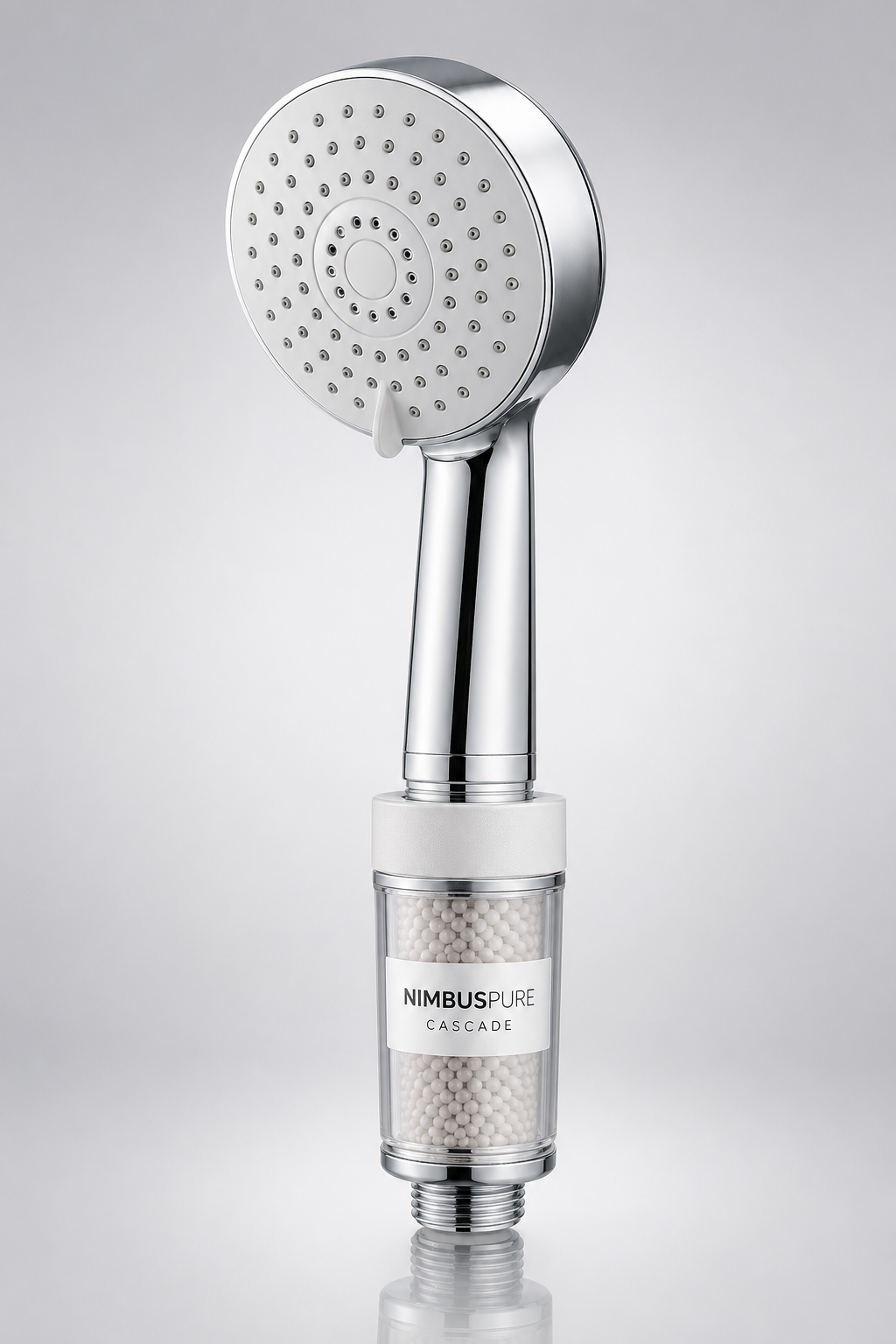
Voices from early adopters
Post-purchase surveys summarized by the brand echo a narrow but meaningful theme: people notice odor first, pressure second, maintenance third. A few excerpts:
-
“We stopped apologizing for our upstairs bath. Steam smells neutral again.”
— Jordan M., West Linn, OR (Individual results may vary.)
-
“I did not want a weekend plumbing project. This took a single episode of a podcast.”
— Priya K., Naperville, IL (Individual results may vary.)
Questions readers asked
Is this a softener? No. It targets odor, some dissolved tastes, and visible particles—not ion exchange for hardness.
Will my pressure collapse? The brand markets three spray modes tuned for typical residential pressure; low-pressure homes should still verify fit.
How often are cartridges? Roughly monthly for heavy daily use; lighter use may stretch longer. The viewing window is meant to reduce guesswork.
If you are comparing options, start with the official page: pricing is transparent there, and bundles include free shipping on multi-unit kits at the time of this article’s publication.
Information is subject to change; confirm current details with NimbusPure before purchase. The Municipal Ledger may receive compensation when readers choose to shop through links in sponsored features.